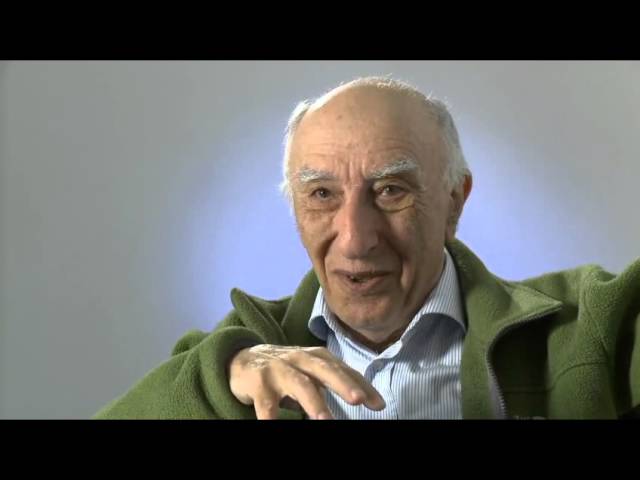
Oral History of Boris Babayan
Excerpt from the oral history, Computer History Museum, 2012. In English.
Born 20 December 1933, Baku
Computer scientist, architect of the Elbrus computer systems. Corresponding Member of the Russian Academy of Sciences, Doctor of Technical Sciences, professor. Laureate of the Lenin Prize and the USSR State Prize. The first European scientist to be named an Intel Fellow.
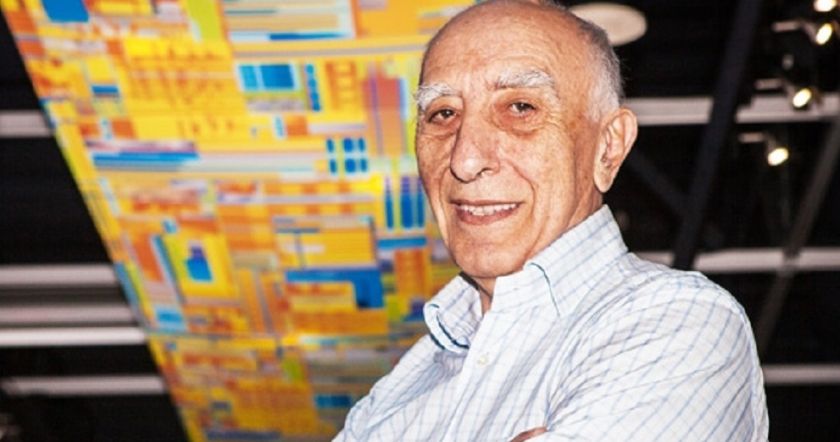
Boris Artashesovich Babayan was born on 20 December 1933 in Baku. His father, Artashes Arutyunovich, was an engineer; his mother, Margarita Alexandrovna, ran a preschool.
In 1951 he entered the Moscow Institute of Physics and Technology (MIPT) and became one of the first students in the country to be trained in computer engineering. From his first year he interned at the Institute of Precision Mechanics and Computer Engineering (ITMiVT), headed by Academician Sergey Lebedev. He graduated from MIPT in 1957.
His first student work (1954–1956) was a method of fast arithmetic based on carry-save, which speeds up multiplication, division and square root extraction.
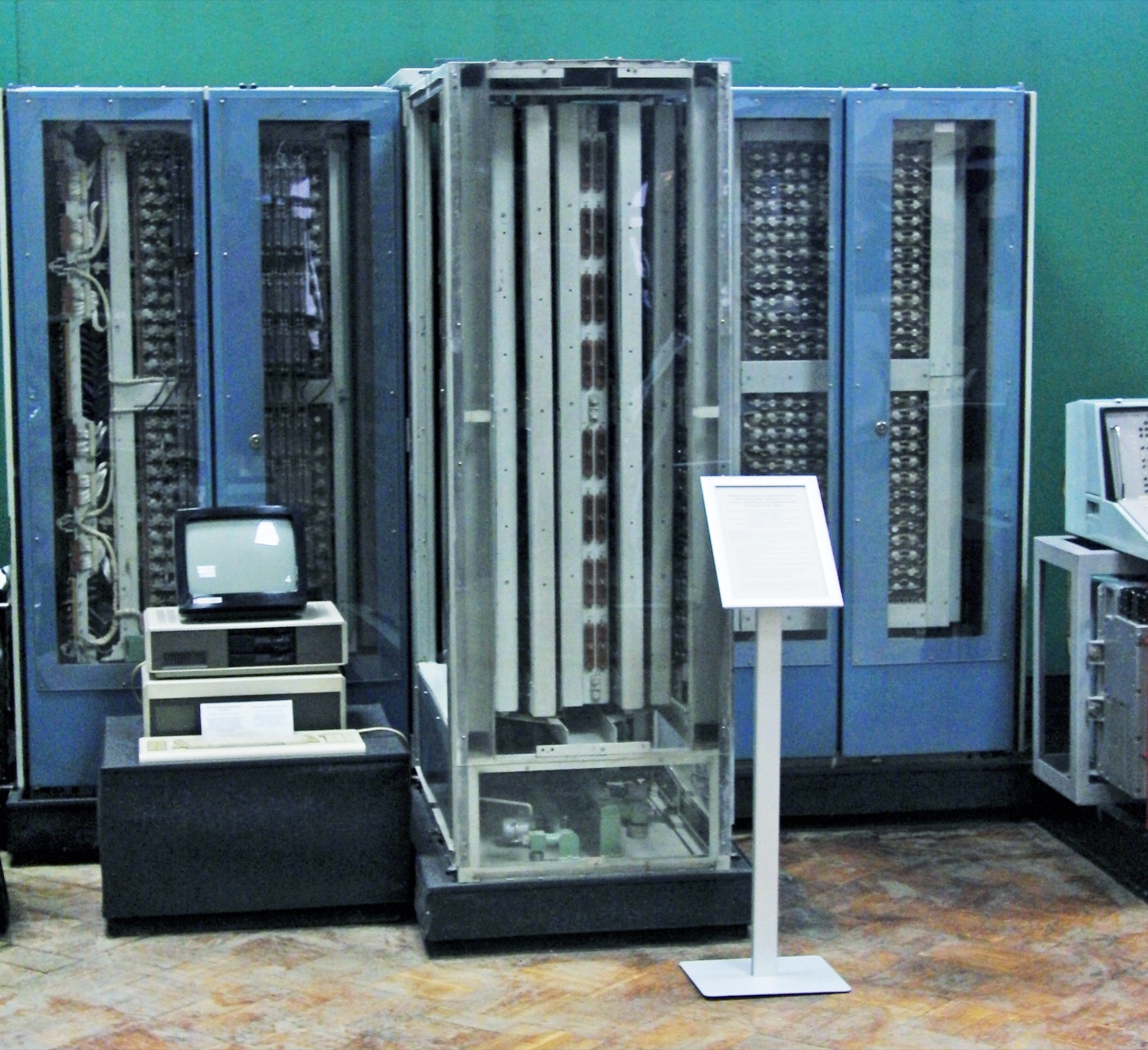
From 1956 to 1996 he worked at ITMiVT, rising from engineer to head of the hardware and software division. He took part in building the M-40 and 5E92b computers and was one of the chief architects of the Elbrus-1, Elbrus-2 and Elbrus-3 computer systems. He received his Candidate of Sciences degree in 1964 and his Doctor of Technical Sciences degree in 1971. In 1984 he was elected a Corresponding Member of the USSR Academy of Sciences.
From 1992 to 2004 he led the Moscow Center of SPARC Technologies (MCST) and Elbrus International, where the Elbrus 2000 microprocessor and the Elbrus-90micro computer were developed. In 1996 he founded a base department at MIPT, later the Department of Microprocessor Technologies.
In 2004, together with part of his team, he joined Intel Corporation, where he became Director of Architecture and was named an Intel Fellow. He worked on computer architecture, binary compilation and secure computing technologies. He worked at Intel until January 2022.
“In 1951 I entered Phystech, and in 1952, after my first year, I came to ITMiVT for a month-long internship. In the second year we spent one day a week at ITMiVT, in the third year two days, and by the sixth year we were working there the whole week, never letting up.”
Excerpt from the oral history, Computer History Museum, 2012. In English.
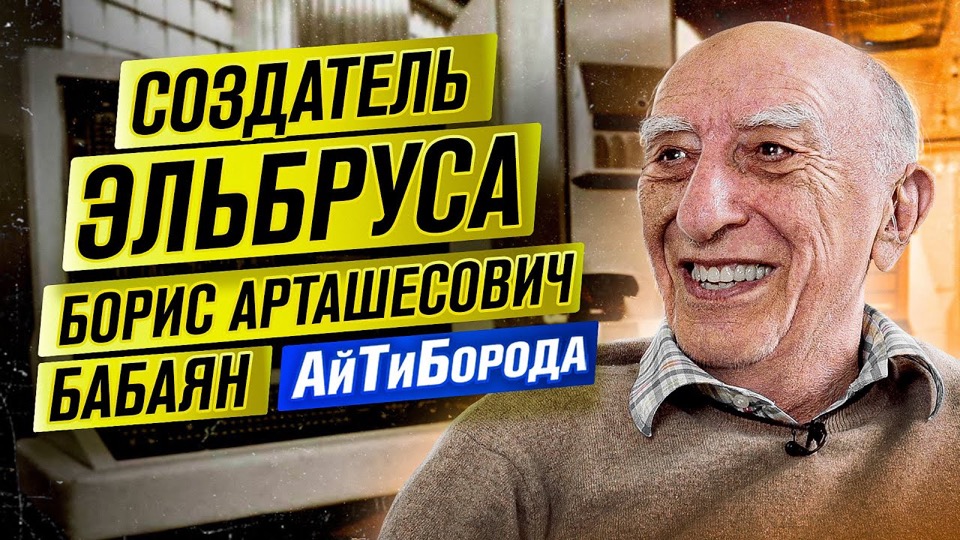
A long interview for the IT Boroda channel, 2021. On Phystech in the 1950s, Lebedev and the first Elbrus machines. In Russian.
A lecture by Boris Babayan. In Russian.
George Babayan, grandson of Boris Babayan.
ggbabayan (at) gmail.com